
364 nodal, 135 cluster officers tasked with intensive village-level outreach; SDMs/DSPs to step up field visits and coordination
7.5 lakh MT paddy stubble expected in district; 2.70 lakh MT to be managed in-situ and 4.80 lakh MT through ex-situ methods
Kapurthala, September 23
With the paddy harvesting season approaching, Deputy Commissioner Akash Bansal on Wednesday directed the field administration to launch an intensive, mission-mode campaign against stubble burning, calling upon nodal and cluster officers to leave no stone unturned in reaching every farmer and ensuring effective management of crop residue across the district.
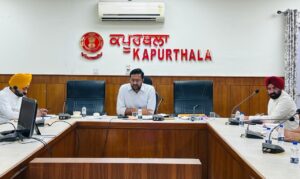
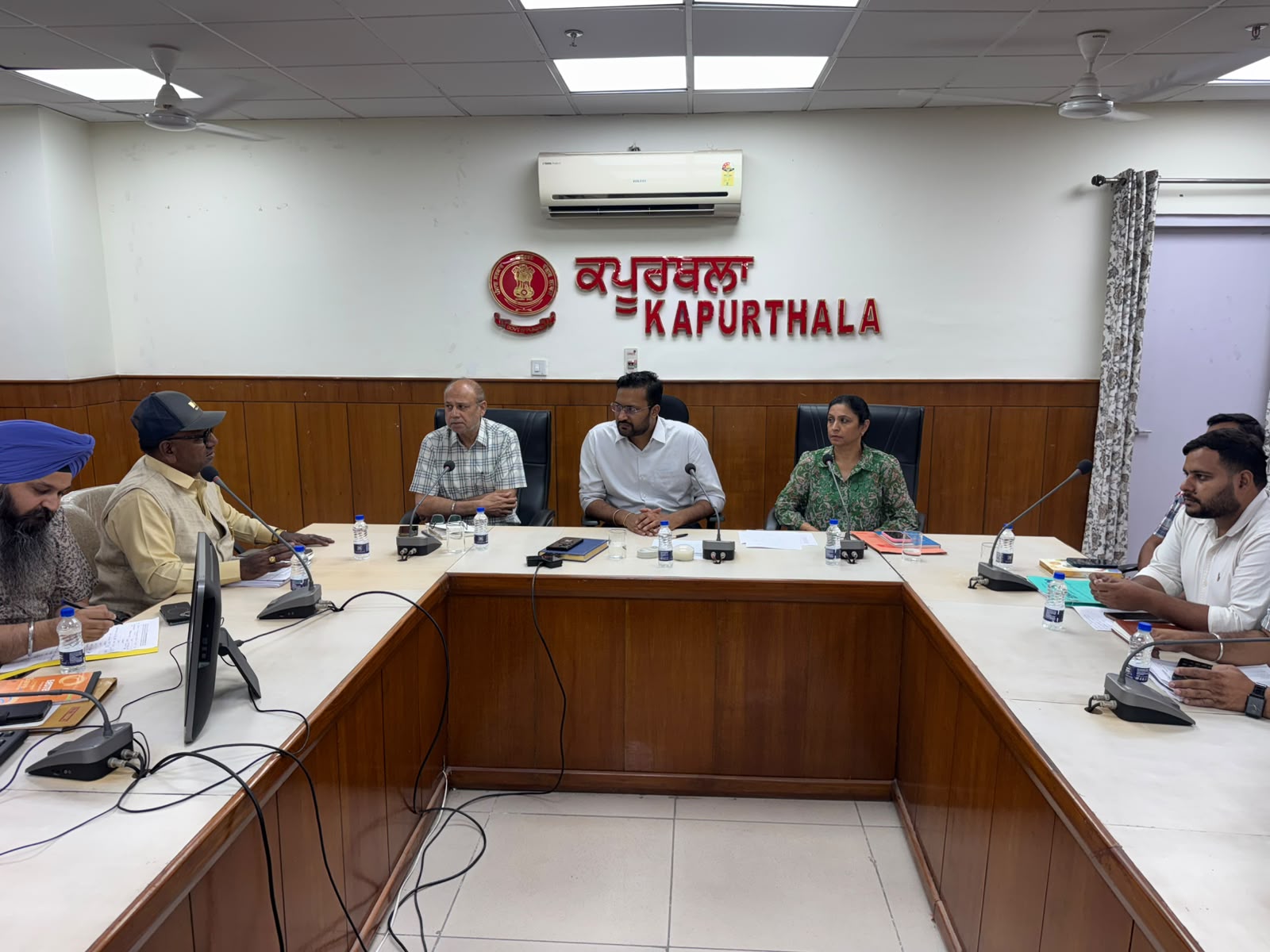
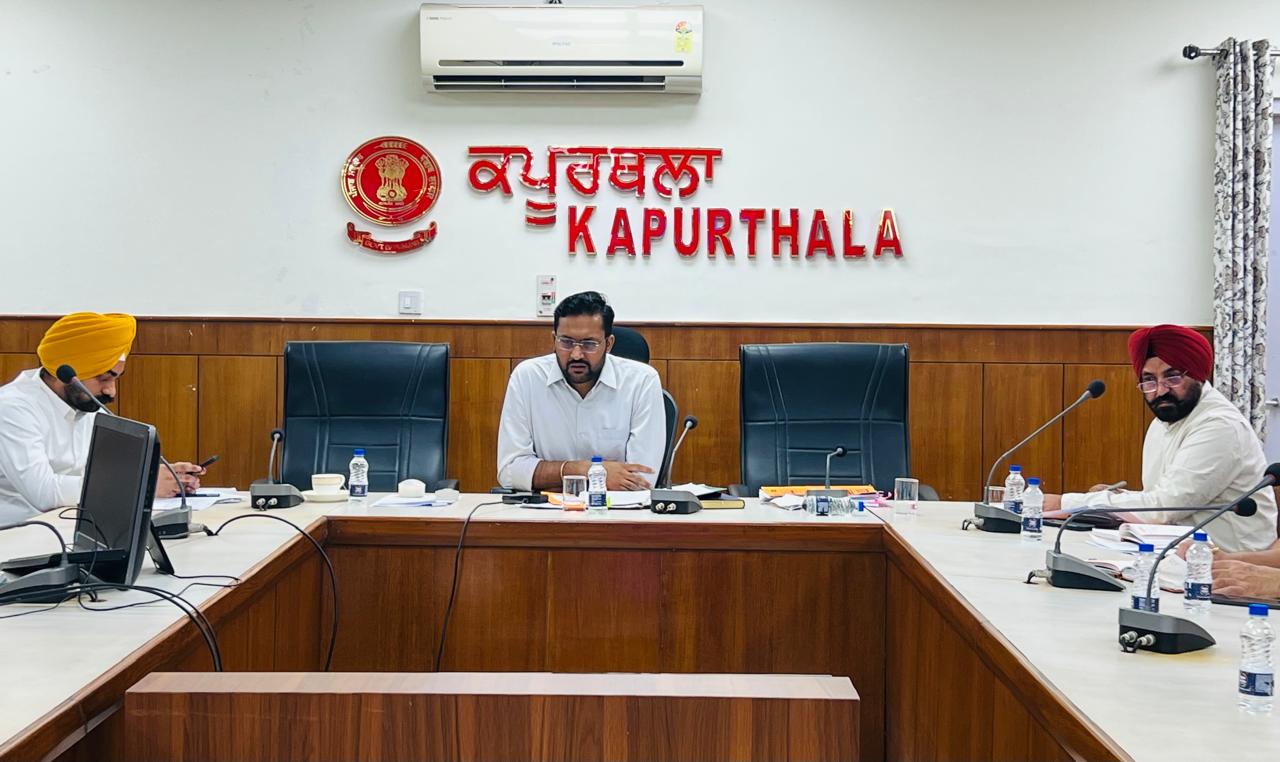
Chairing a virtual meeting with 364 nodal officers and 135 cluster officers, the Deputy Commissioner directed them to remain in the field, intensify farmer outreach and personally monitor the situation in their assigned areas. He made it clear that no farmer, village or remote habitation should be left out of the campaign, and stressed that field-level awareness, timely availability of machinery and close coordination would be the key to preventing stubble burning.
The DC said that the district was expecting around 7.5 lakh metric tonnes of paddy stubble during the current season. Of this, approximately 2.70 lakh metric tonnes would be managed through in-situ techniques, while around 4.80 lakh metric tonnes would be managed through ex-situ methods. He directed all concerned departments and field functionaries to ensure that the entire crop residue was scientifically managed through available alternatives rather than being burnt in the fields.
Calling upon farmers to become active partners in protecting Punjab’s environment, the Deputy Commissioner urged them to follow the path shown by Sri Guru Nanak Dev Ji and protect air, water and soil. Quoting the revered message, “Pawan Guru, Paani Pita, Mata Dharat Mahat,” he said that preserving the natural environment was not merely an administrative responsibility but a collective duty of society.
The Deputy Commissioner directed nodal and cluster officers to undertake extensive village and field visits throughout the next one month, maintain direct contact with farmers and ensure that every farmer was sensitised about the harmful consequences of stubble burning and the alternatives available for residue management. He instructed the officers to ensure that farmers, particularly those in remote areas, had timely access to the required agricultural machinery and were guided about both in-situ and ex-situ management options. He also called for close coordination among the Agriculture, Revenue, Rural Development and Panchayats, Police and other concerned departments. The SDMs were directed to personally monitor the campaign in their respective subdivisions and ensure that the field teams remained active and responsive throughout the harvesting period.
SSP Gaurav Toora also ordered police officers to maintain continuous field presence and undertake daily foot marches in their respective areas to deter stubble burning and strengthen coordination with the civil administration. He directed all DSPs and SHOs to remain in regular touch with the civil teams and hold meetings with grassroots functionaries, including Chowkidars and Nambardars, to sensitise farmers and immediately flag any possibility of crop residue burning.
The SSP emphasised that police teams should work proactively with the civil administration and directed field officers to maintain close contact with village-level stakeholders, monitor vulnerable areas and ensure prompt intervention wherever any incident or possibility of stubble burning was noticed.
The Deputy Commissioner and SSP called for unified and round-the-clock coordination between the civil and police administrations to ensure that the district effectively manages the entire paddy residue and moves decisively towards eliminating stubble burning.