
Around 4,000 crop residue management machines made available through Custom Hiring Centres, societies and farmer groups
364 Nodal Officers and 135 Cluster Officers deployed for field-level monitoring; SDMs to supervise arrangements
Tribune Times News
Kapurthala, September 17:
Deputy Commissioner Akash Bansal on Thursday said that the district administration had chalked out a comprehensive strategy to prevent stubble burning during the upcoming paddy harvesting season, with emphasis on scientific crop residue management, effective field-level monitoring and extensive awareness among farmers.
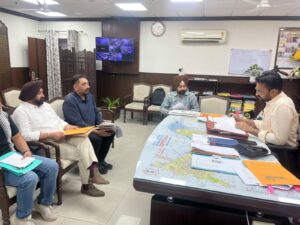
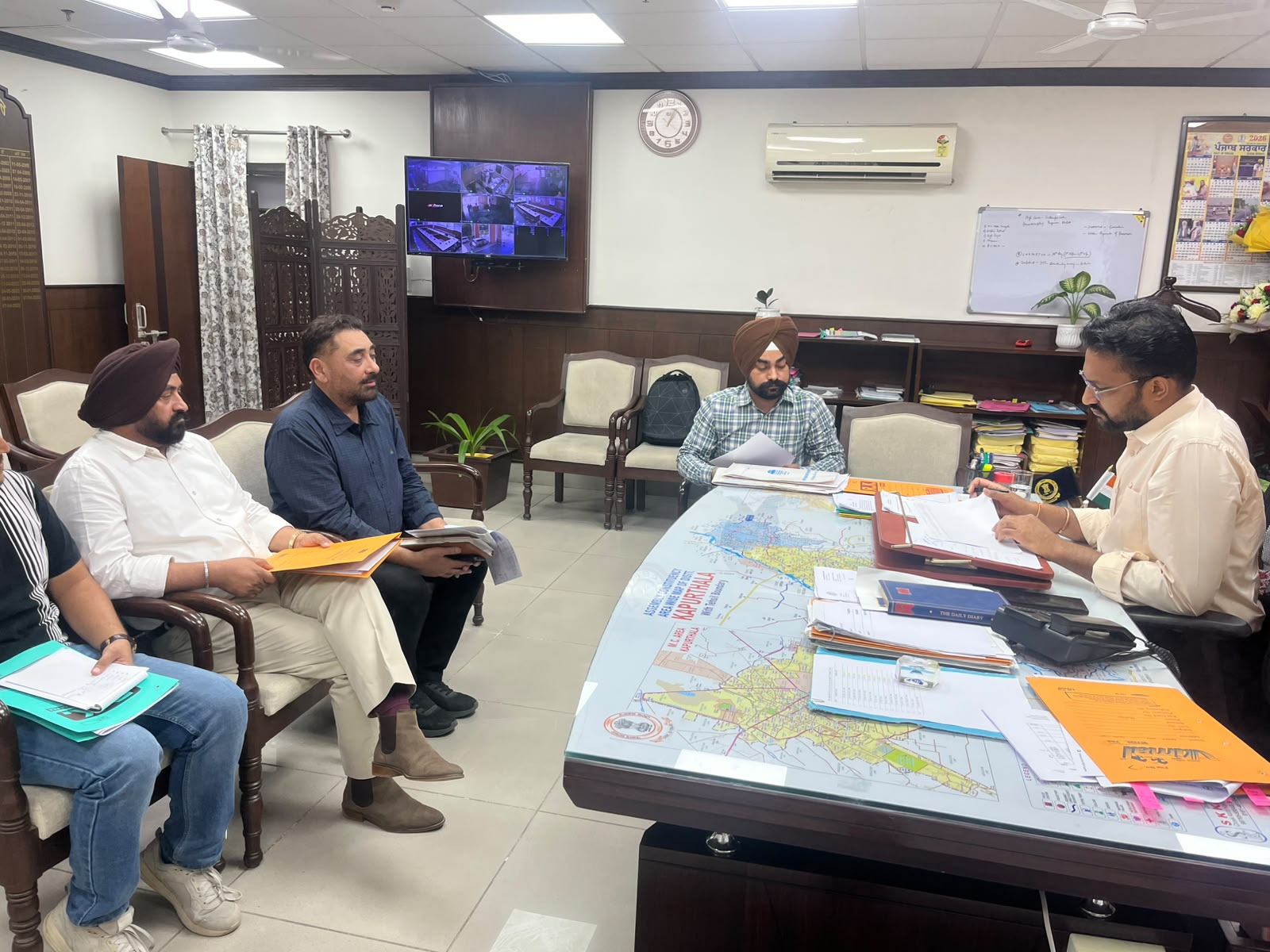
Chairing a meeting to review the preparedness for the paddy harvesting season, the Deputy Commissioner said that the administration was committed to ensuring maximum utilization of in-situ and ex-situ crop residue management techniques and creating greater awareness among farmers about the environmental, health and agricultural consequences of stubble burning.
The Deputy Commissioner said that approximately 7.5 lakh metric tonnes of paddy stubble was expected to be generated in Kapurthala district during the season. Of this, around 2.70 lakh MT would be managed through in-situ methods, while nearly 4.80 lakh MT would be handled through ex-situ management. The remaining crop residue would be channelized for productive utilization in brick kilns, boilers and other suitable applications, thereby reducing the need for farmers to burn the residue in the fields. He said that farmers had access to around 4,000 crop residue management machines through Custom Hiring Centres, cooperative societies and farmer groups. These include balers, rakes, Super Seeders, Smart Seeders, Surface Seeders, Zero Drills, RMB Ploughs, mulchers, straw choppers, Super SMS, crop reapers, rotary slashers and tractors, among others. He said that these machines would enable farmers to manage paddy residue scientifically and adopt suitable techniques for sowing the next crop without resorting to burning.
The Deputy Commissioner said that 364 nodal officers and 135 cluster officers would be deployed to closely monitor their respective villages and clusters. They will remain in regular contact with farmers, identify vulnerable areas and ensure timely intervention wherever there is a possibility of stubble burning. The officers have also been asked to maintain close coordination with the Agriculture Department, local administration and other stakeholders. He stressed that controlling stubble burning requires the collective participation of farmers, agricultural departments, local institutions, field officials and the general public. The administration would continue to facilitate farmers with information, machinery and technical guidance so that environmentally sustainable farming practices can be adopted on a larger scale.
He said that stubble burning not only contributes to air pollution but also causes damage to the agricultural ecosystem. Burning crop residue destroys or adversely affects valuable nutrients present in the soil, including nitrogen and other essential nutrients. He said that instead of treating paddy straw as waste, farmers should view it as a valuable agricultural resource.
The Deputy Commissioner added that an extensive awareness campaign is being conducted across the district to educate farmers about the harmful effects of stubble burning and the benefits of scientific residue management. He appealed to farmers to cooperate with the district administration and avoid burning paddy straw, stressing that clean air, healthy soil and sustainable agriculture are collective responsibilities.